Research and field practice for PCAs, CCAs and agricultural professionals.
The Magazine · September / October 2026
A Closer Look. A Better Recommendation.
Research, practical agronomy and the voices shaping crop consulting. Take time with the complete issue, with every story, photograph and advertiser in place.
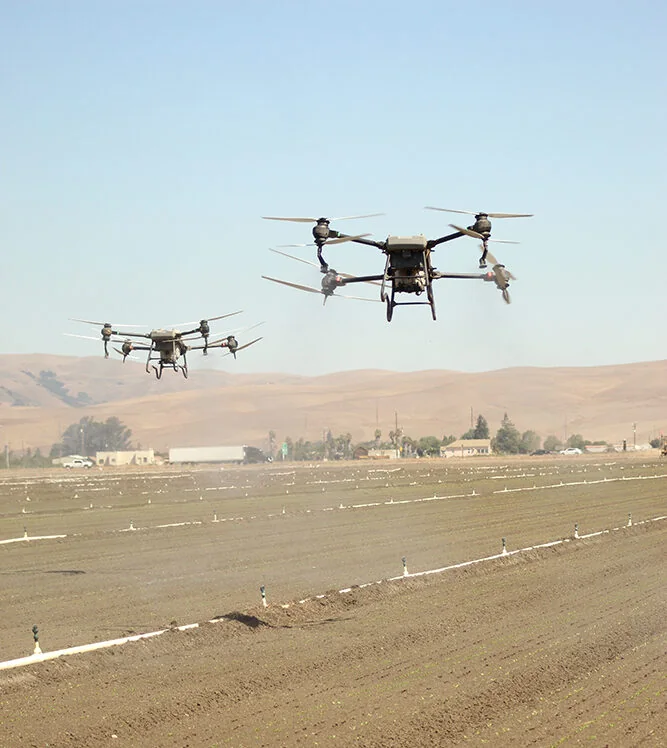
Every year in agriculture, we’re introduced to another new technology that’s supposed to change everything. A new sensor. A new drone. A new software platform. A new piece of equipment. Some of…
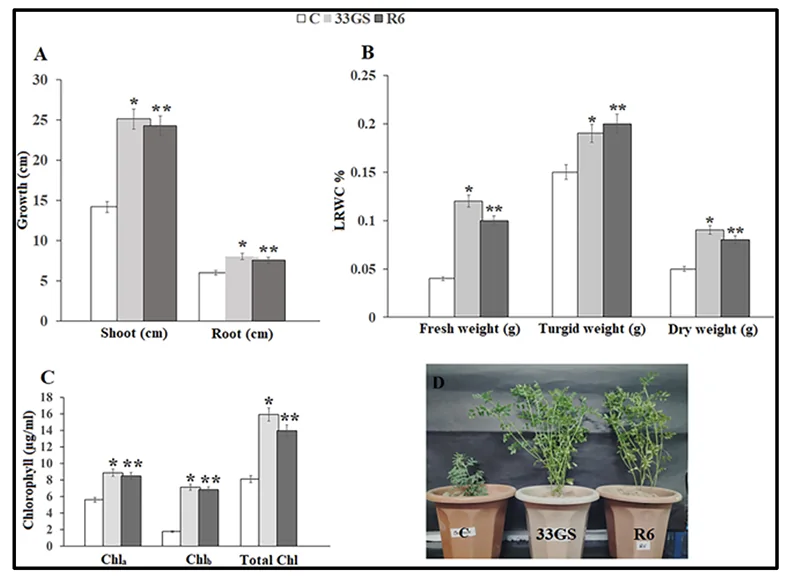
Soils contain vast numbers of microorganisms, including bacteria, fungi, and archaea. Most have neutral or positive effects on plant growth, and some are pathogenic. Only 2% to 5% of soil microbes are…
Late-season fieldwork is where strong consultants separate themselves by documenting sensitive sites, tightening application windows, evaluating outcomes and turning the season’s evidence into a better plan for the grower.
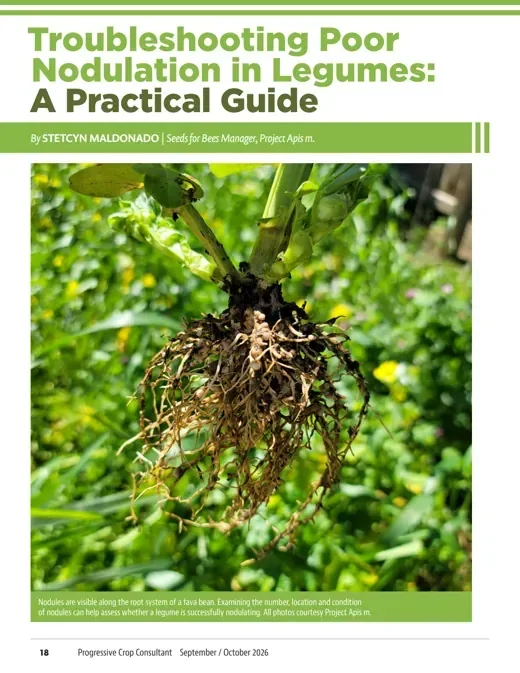
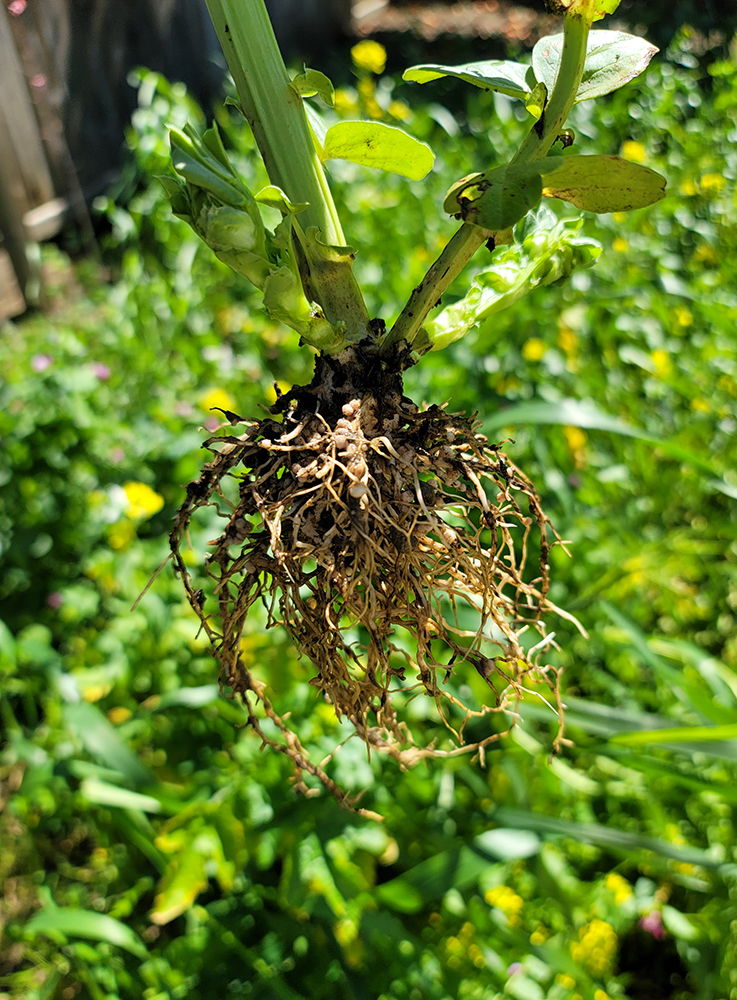
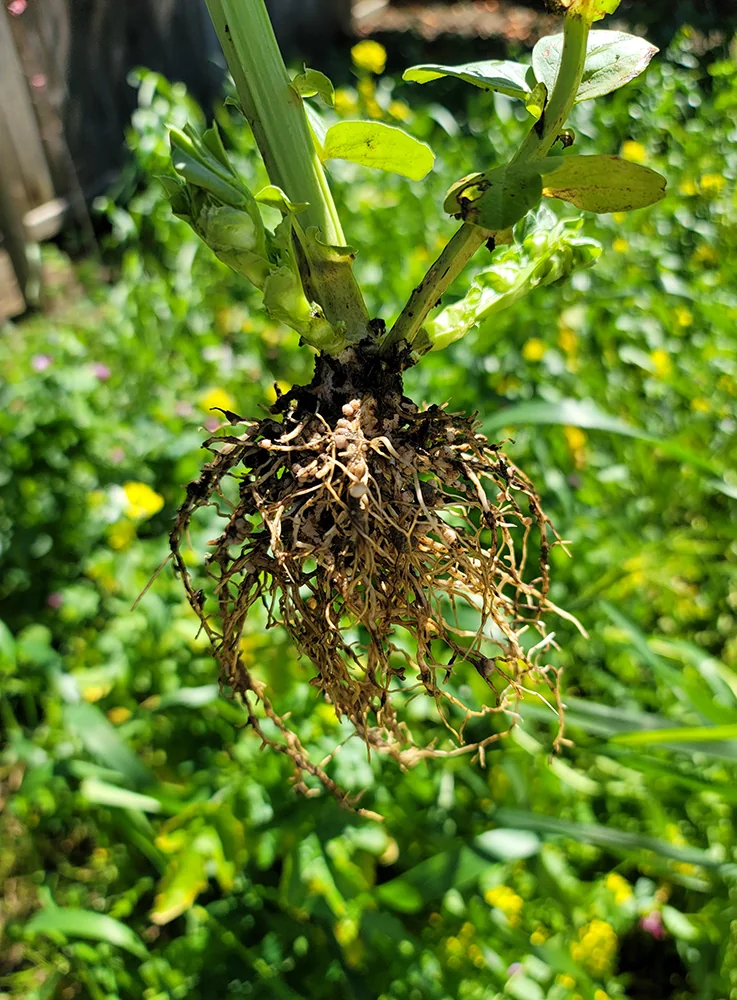
Legumes, plants from the bean family, are known for their ability to add nitrogen to the soil. This makes them a popular choice in cover cropping, supplying both nitrogen for the cash…
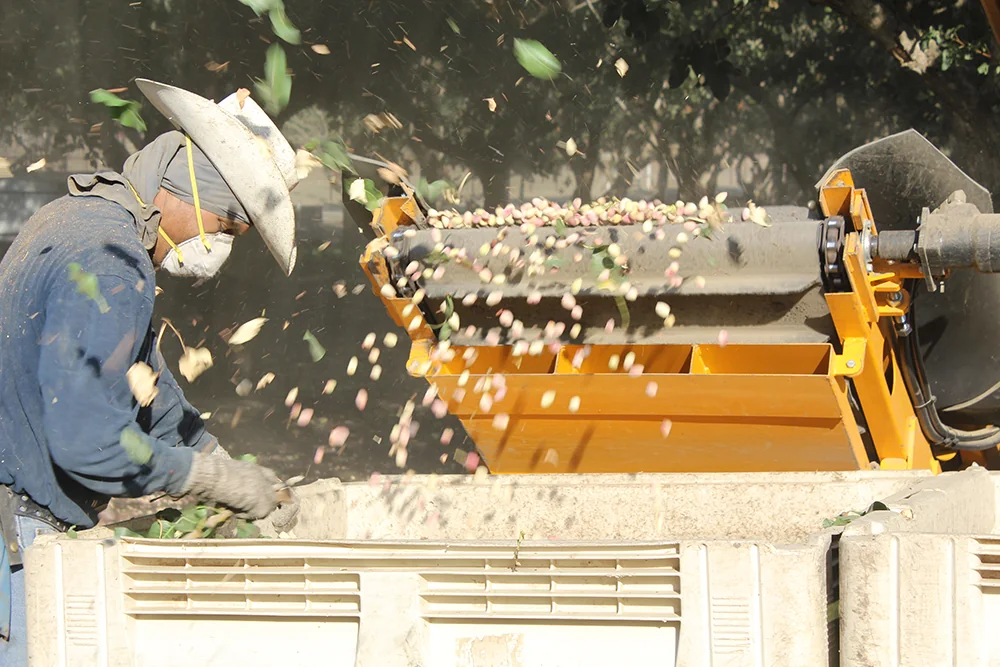
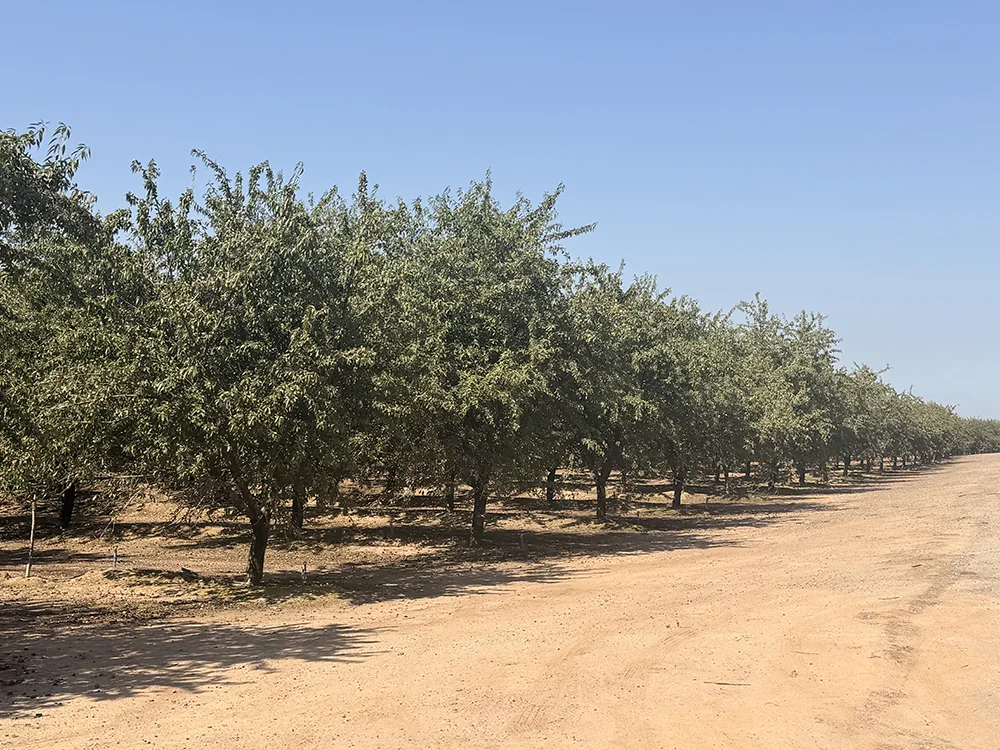
“Fumigation is under the microscope.” That’s how Roger Isom, president and CEO of the Western Tree Nut Association (WTNA), describes the current regulatory environment surrounding fumigation in California agriculture.
Organic agriculture is not simply conventional production with a shorter input list. It is a federally regulated production system in which agronomic decisions, documentation, product flow and risk management must work together.…
Introduction As a leafy brassica, bok choy (Brassica rapa subsp. chinensis) needs reliable nitrogen during its short growth cycle to build healthy green tissues. However, this fast-cycling growth characteristic leaves growers, especially…
In 1994, the California Air Resources Board (CARB) had initially identified “soil NOx” as a significant source of air pollution coming from agriculture in the San Joaquin Valley. Soil NOx includes emissions…