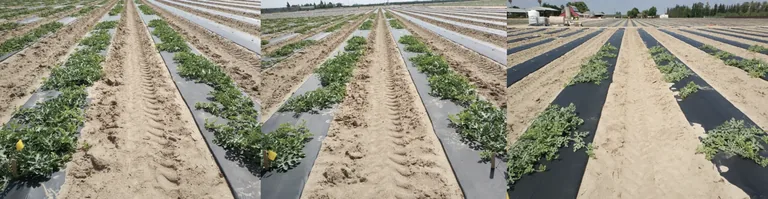
Research on grafted watermelons in California has entered its seventh year since 2019. As adoption grows in acreage, economic gains and yield advantage, there is a need to review the development of…
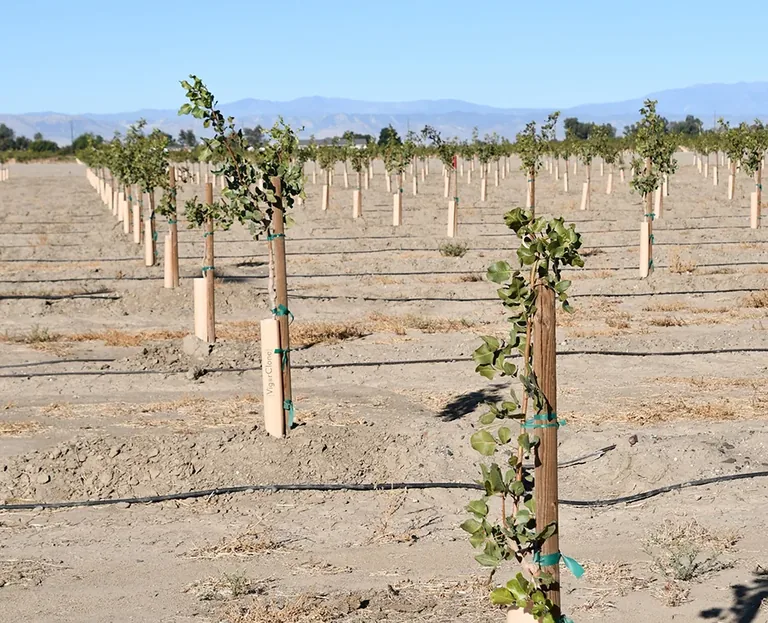
One of the common requests I have received from growers and other agricultural stakeholders in the Sacramento Valley is for insights into alternative crop options that are drought- and disease-resistant and have…
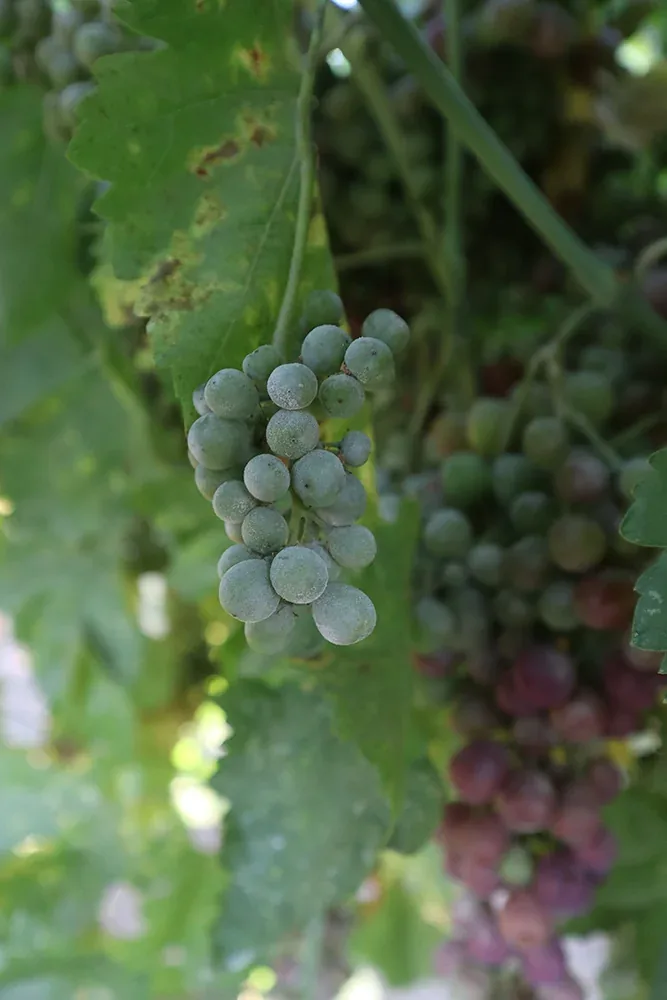
The sulfury smell on our shirts in the spring signals a new season and the battle with powdery mildew (PM), arguably the most important and expensive disease to control in the vineyard.…
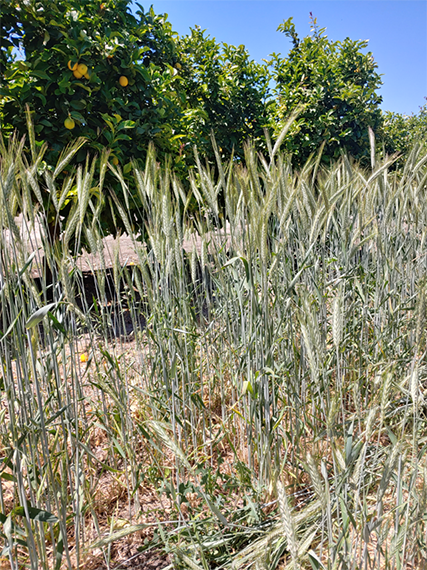
Plant-associated arbuscular mycorrhizal fungi (AMF) participate in soil carbon storage, improve soil aggregation and promote plant health and crop yield. Like other perennial crops, citrus trees create associations with AMF (Wu and…
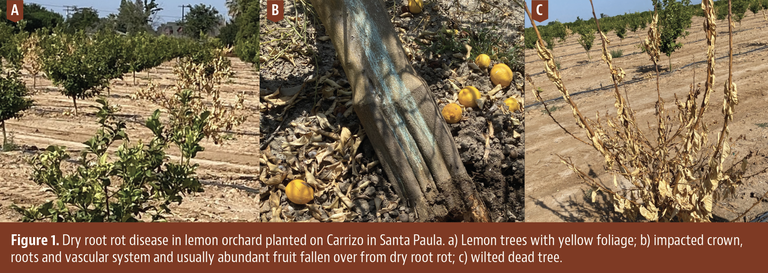
Dry root rot, caused by the soilborne fungus Fusarium solani, has been a persistent threat to California citrus for decades. While the disease has been preent in citrus orchards for many years,…
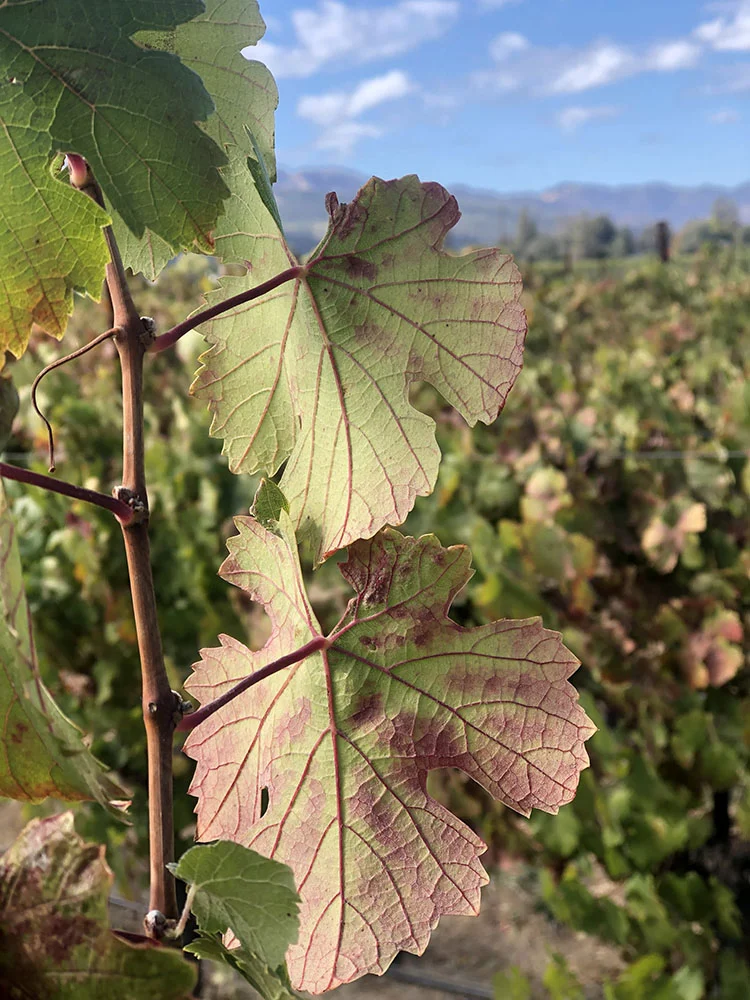
In viticulture, grapevines face many threats, with virus diseases standing out as insidious adversaries. Among these, leafroll and red blotch pose significant challenges due to their elusive nature and lack of curative…
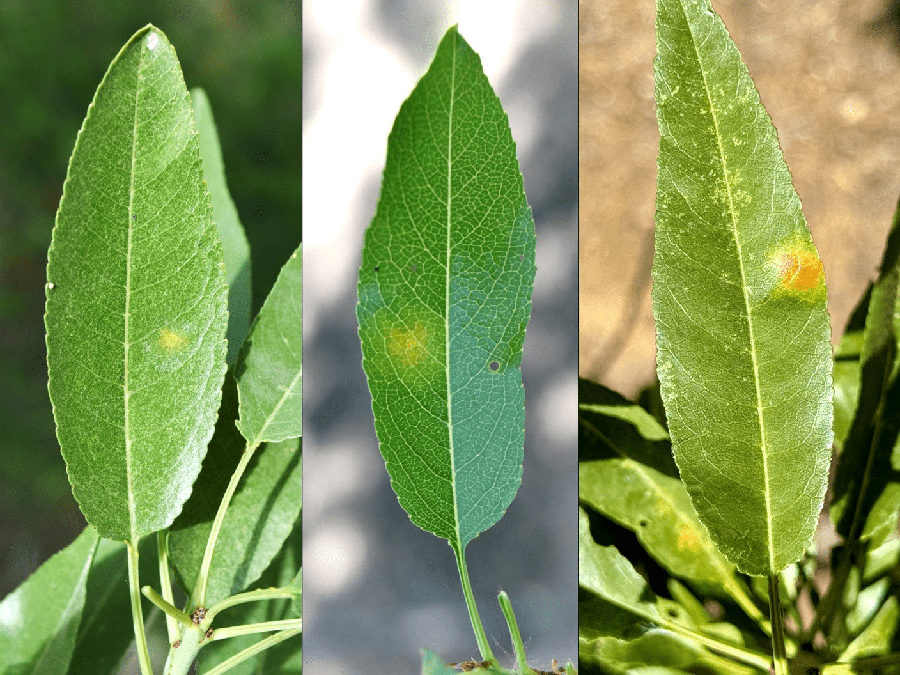
Red leaf blotch (RLB), caused by the fungal pathogen Polystigma amygdalinum, is one of the most important leaf diseases currently affecting almond trees in the Mediterranean basin, particularly in Spain, and regions…
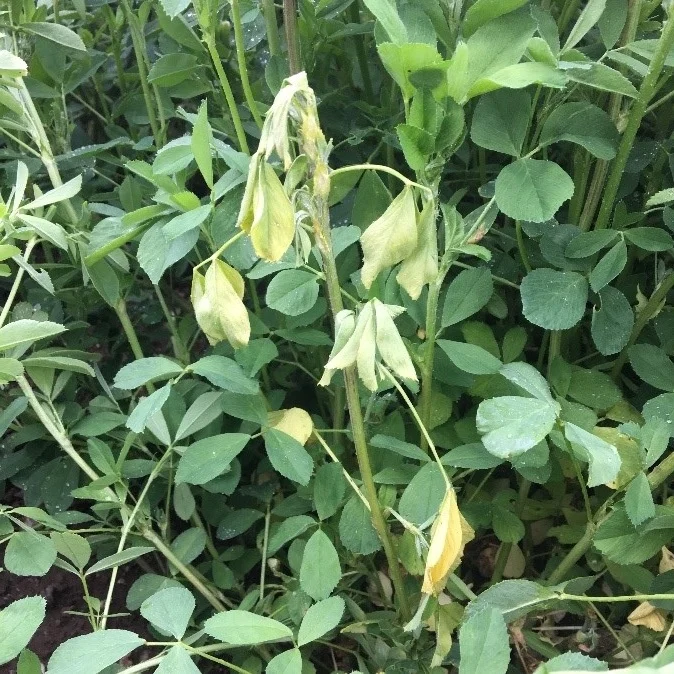
Roundup Ready technology builds genetic resistance to glyphosate into crops, providing an excellent tool for weed management. Initial screening in the early 2000s found good crop safety in alfalfa, leading many growers…
Since its discovery in 2008, grapevine red blotch disease (GRBD) has negatively impacted the quality of wines due to reductions of sugar and color in the fruit. Its economic impact in the…