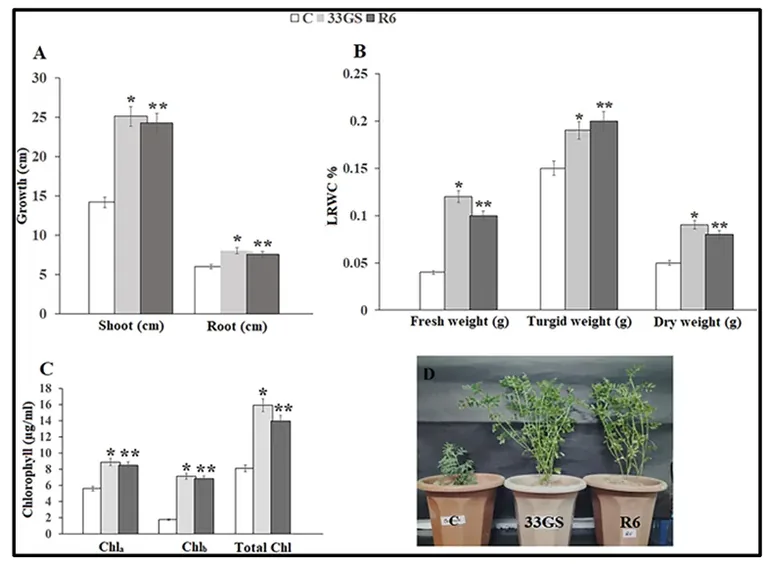
Soils contain vast numbers of microorganisms, including bacteria, fungi, and archaea. Most have neutral or positive effects on plant growth, and some are pathogenic. Only 2% to 5% of soil microbes are…
Why buy fertilizer when you have it fresh and homegrown? Ordering imported synthetic fertilizer yields sticker shock for a lot of farmers lately. In recent years, the global fertilizer market has been…
It's no secret that growers and advisors increasingly require tools that can identify nutritional and fertility problems before visible symptoms appear. No one has time for yield drag in today's agriculture. Modern…
When a fertilizer label lists nitrogen, phosphorus or potassium, growers know those numbers mean something. They’re backed by standardized tests and state enforcement. Fulvic acid labels don’t have that kind of guardrail,…
Rising fertilizer prices and increasing regulatory pressure push growers throughout California to consider decreasing mineral N use. Many growers have become better than ever at practicing the 4 Rs of fertilizer application,…
Research on grafted watermelons in California has entered its seventh year since 2019. As adoption grows in acreage, economic gains and yield advantage, there is a need to review the development of…
Biostimulants are a natural “hack” to bridge the gap between average and better crops. While a growing segment of our industry promotes natural products to balance economic and environmental goals, probably the…
In 1905, German scientist Fritz Haber successfully synthesized ammonia from atmospheric nitrogen gas, an inert form of nitrogen resistant to chemical and biological reactions. Shortly thereafter, BASF chemist Carl Bosch built upon…
Literally and figuratively, it is the little things that count when establishing crops. Yes, it is the microbes that we are talking about! When it comes to soil management, growers often have…
Cassidy Million ·
Progressive Crop Consultant
Stay Connected to the Field.
Choose your magazine and newsletter subscriptions through MyAgLife.