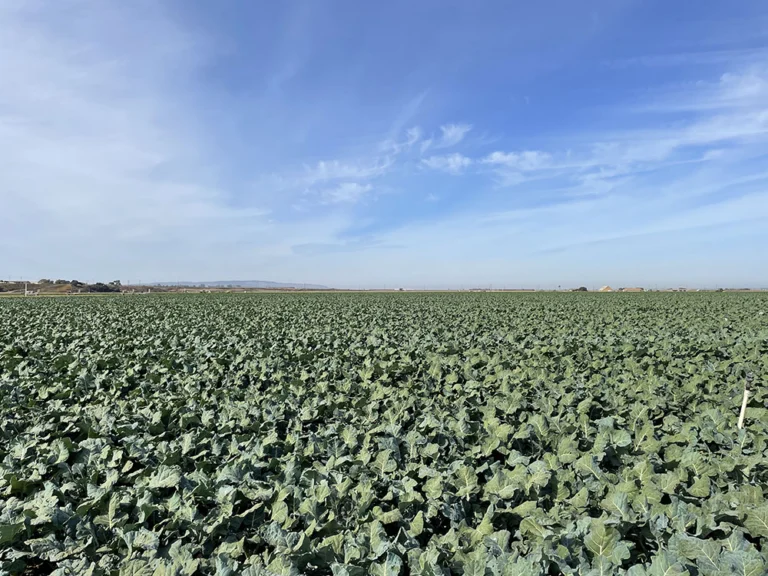
Background 4R nutrient stewardship (right rate, time, source and placement) is central to nitrogen (N) management, but how to optimize it in organic systems remains unclear. Unlike synthetic fertilizers, which supply plant-available…
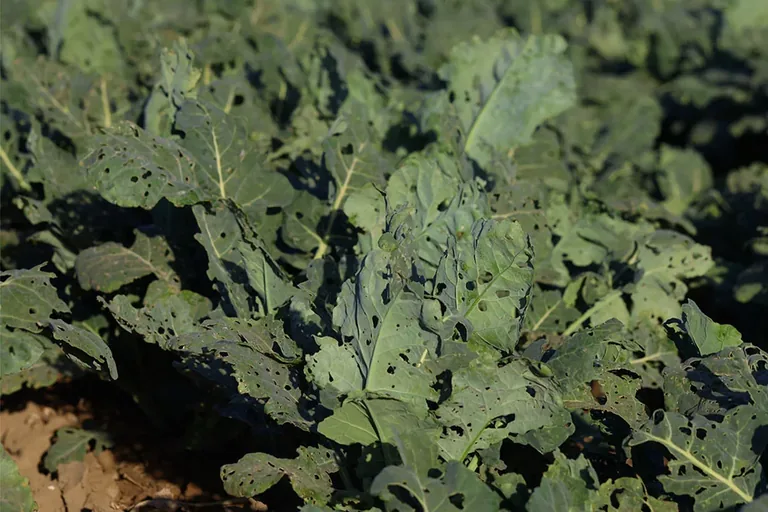
For pest control advisors working in vegetable crops, few insects inspire as much frustration as diamondback moth (Plutella xylostella). Despite decades of insecticide development, this pest continues to evolve resistance, exploit production…
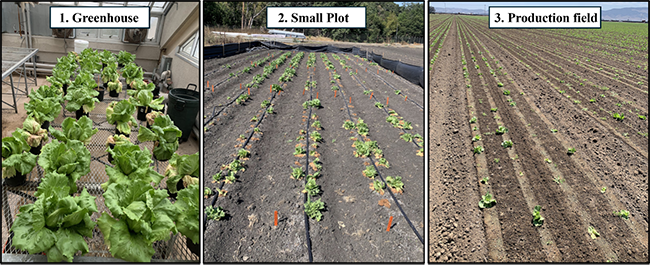
Lettuce Fusarium Wilt Fusarium wilt has become one of the most challenging diseases for California lettuce growers. Once established, the fungal pathogen that causes this disease, Fusarium oxysporum f. sp. lactucae, persists…
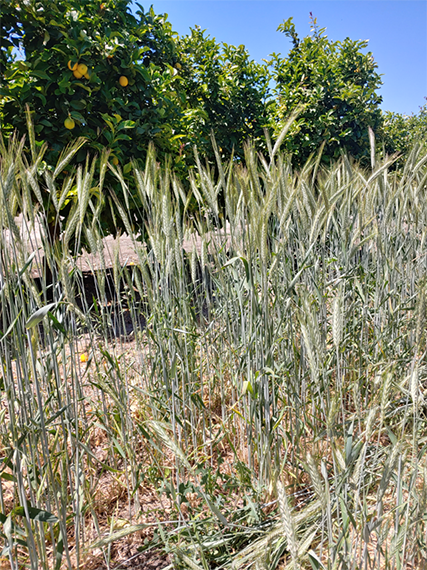
Plant-associated arbuscular mycorrhizal fungi (AMF) participate in soil carbon storage, improve soil aggregation and promote plant health and crop yield. Like other perennial crops, citrus trees create associations with AMF (Wu and…
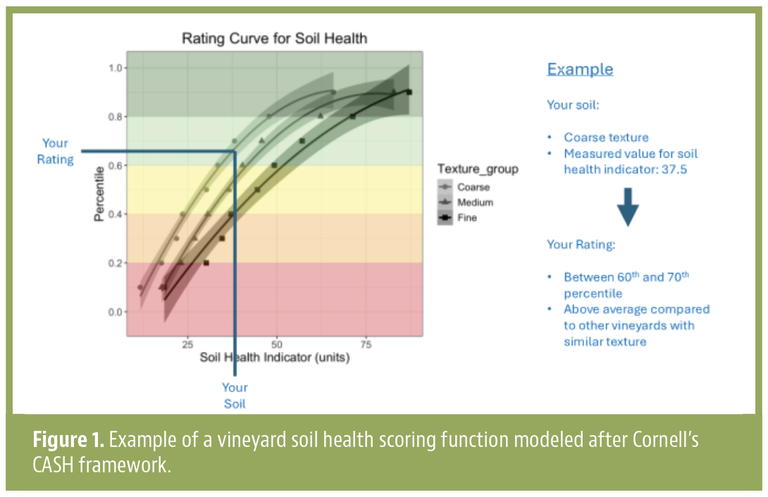
Soil health is central to sustainable agriculture and a key goal of regenerative and organic farming. Practices like the application of organic amendments, cover cropping, reduced tillage and livestock integration are promoted…
In organic crop production, fertilizers need to be mineralized by soil organisms before nitrogen becomes plant-available. Many factors can impact this mineralization process, including fertilizer chemical composition, physical fertilizer properties, soil properties…
Crop yields are often lower in organic production systems compared to conventional farming systems (De Ponti et al. 2012). This yield difference is partly attributed to challenges in providing plants with the…